.svg)

.avif)
Table of Contents
What Should I Do Before Signing a Severance Agreement?
If you’ve recently been laid off or asked to leave your job, you might be handed a severance agreement. Before you sign, it’s important to ask: what should I do before signing a severance agreement? These documents can impact your legal rights, future job prospects, and financial stability. An experienced employment lawyer can help you evaluate your options and avoid costly mistakes.
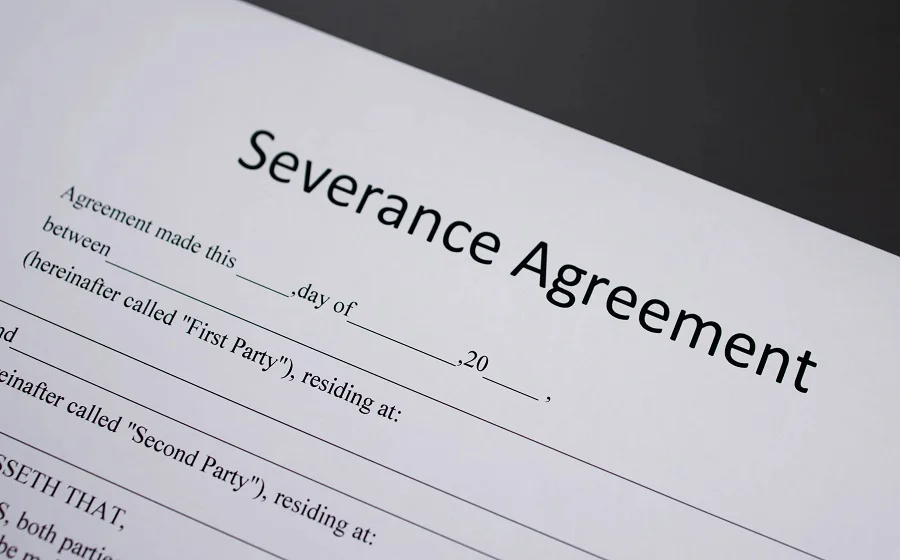
What Should I Do Before Signing a Severance Agreement | Step 1: Review the Payment Terms
Start by carefully reviewing the amount of severance pay, how it will be paid, and when. Some agreements offer lump-sum payments, while others provide continued salary payments over time.
Ask:
- How many weeks of pay am I receiving?
- Is unused vacation or PTO included?
- Will my health benefits continue, and for how long?
Compare this with your employment contract, employee handbook, or company policies. Severance is often discretionary unless your contract or union agreement guarantees it.
What Should I Do Before Signing a Severance Agreement | Step 2: Check for Waiver of Legal Rights
Most severance agreements ask you to waive your right to sue the company. This may include claims under:
- Title VII of the Civil Rights Act
- Americans with Disabilities Act (ADA)
- Age Discrimination in Employment Act (ADEA)
- Fair Labor Standards Act (FLSA)
- Ohio’s anti-discrimination and wage laws
Once you sign, you may no longer be able to bring legal claims, even if you later discover wrongdoing. For example, if you believe you were wrongfully terminated due to pregnancy discrimination, you could lose the right to file a complaint if you sign a broad waiver.
You should never waive these rights without first consulting an employment attorney who can spot hidden issues.
What Should I Do Before Signing a Severance Agreement | Step 3: Understand Restrictive Clauses
Severance agreements often include:
- Non-compete clauses: Limits your ability to work in the same industry or region.
- Non-solicitation clauses: Prevents you from contacting clients or former coworkers.
- Confidentiality clauses: Prohibits discussing the agreement or your time at the company.
- Non-disparagement clauses: Stops you from making negative statements about your employer.
These clauses may affect your future job opportunities and freedom to speak openly about your experience. In Ohio, enforceability of non-compete clauses depends on factors like time limits and geographic scope. An employment lawyer can assess whether such restrictions are reasonable under Ohio law.
What Should I Do Before Signing a Severance Agreement | Step 4: Consider Unemployment Eligibility
Signing a severance agreement doesn’t necessarily disqualify you from receiving unemployment benefits in Ohio. However, how your separation is described (e.g., voluntary resignation vs. layoff) could matter.
Also, severance pay may delay your eligibility for unemployment in some cases, especially if you’re receiving extended salary continuation. Before signing, confirm how your severance package will impact your ability to claim benefits.
What Should I Do Before Signing a Severance Agreement | Step 5: Take Advantage of Your Review Period
If you’re over 40 and waiving age discrimination claims, federal law gives you 21 days to consider the agreement and 7 days to revoke it after signing, under the Older Workers Benefit Protection Act (OWBPA).
Even if you’re under 40, many employers voluntarily offer a review period. Do not rush. Use this time to:
- Consult with an employment lawyer
- Identify potential legal claims (such as unpaid wages or wrongful termination)
- Negotiate better terms
A severance package is often negotiable. You may be able to ask for more money, a better reference, or revised language in non-compete clauses.
Contact Coffman Employement Lawyers for a Free Consultation
If you’re asking what should I do before signing a severance agreement, the best next step is to talk with Coffman Employement Lawyers. Our experienced employment lawyers will review your agreement, explain what you’re giving up, and help you determine if the offer is fair, or if you may have a legal claim worth pursuing.
Don’t sign away your rights without knowing the consequences. Contact us today for a free consultation. We’ll ensure your severance is a step forward, not a setback.