.svg)

.avif)
Table of Contents
If you’re falsely accused of sexual harassment at work, the first steps you take in addressing the allegations matter more than most people realize. Stop all informal communication with the accuser, preserve every relevant record, follow company policy, and get legal guidance before the story develops without your input. And remember: an accusation is not a finding of guilt.
The Columbus sexual harassment lawyers at Coffman Employment Lawyers guide employees facing false workplace accusations through each stage of the legal process.
What to Do First After a False Accusation
The first few hours following a false accusation of sexual harassment are often the most consequential. Panic-driven decisions, such as texting the accuser, venting to colleagues, or going silent with HR, can turn a manageable situation into an intractable one. The most important thing to do in the first 24–48 hours is to slow down and act deliberately.
Immediate Actions to Take
Your first priority is to stop the situation from escalating while you gather your footing. Every action (or misstep) from this point forward can affect how the investigation develops. Here are a few key points to keep in mind:
- Don’t contact the accuser directly under any circumstances.
- Don’t discuss the accusation informally with anyone.
- Request the full details of the allegation, reporting path, and investigation timeline in writing.
- Read your employer's anti-harassment policy, investigation procedures, and employee handbook.
- Write down everything you remember about relevant interactions, with dates and locations.
- Identify potential witnesses who have direct, factual knowledge.
Why Staying Calm Matters from a Legal Standpoint
Avoiding contact with the accuser isn’t just practical advice — it's a vital legal safeguard.
According to the EEOC enforcement guidance, any action perceived as intimidation or payback following an accusation can create new and separate legal exposure. Retaliation is the most frequently alleged basis of discrimination across all sectors, and reacting calmly and intentionally serves to limit that risk considerably.
One point worth understanding early is that cooperating with an investigation and protecting your rights aren’t mutually exclusive.
Answering HR's questions honestly is cooperation. Asking for those questions to be in writing, or requesting time to consult a lawyer before an interview, is self-protection. Both actions are appropriate under the circumstances.
Ohio Employee Rights in Sexual Harassment Cases
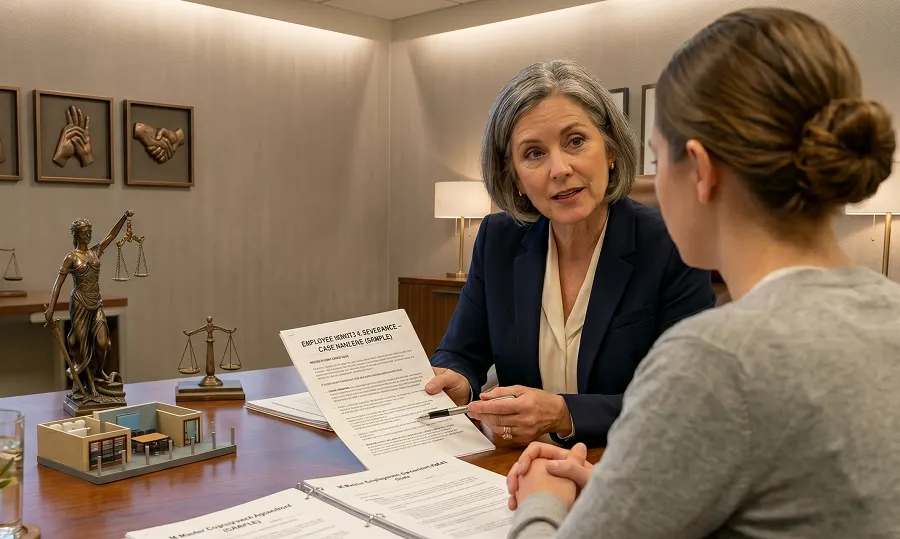
Ohio’s employment laws protect employee rights during workplace investigations, and understanding that framework can prevent costly mistakes.
At the federal level, Title VII of the Civil Rights Act prohibits harassment based on race, color, sex, religion, national origin, or other protected characteristics. Ohio's Chapter 4112 mirrors many federal protections and has been the basis for numerous harassment complaints filed in Ohio courts.
Key Rights During an Internal Investigation
Being aware of the following rights up front can prevent situations where employers bypass procedural protections, often before employees realize they've been shortchanged:
- The right to access your employer's anti-harassment and investigation policies;
- The right to be informed of the general nature of the complaint;
- The right to request representation during an investigatory interview, particularly for union members under Section 7 of the NLRA;
- Protection from retaliation for participating in or responding to an investigation.
When to Consult an Attorney
If an employer threatens discipline before an investigation concludes, or if termination follows quickly after an accusation, the facts of what happened and when become legally significant. Consulting an Ohio sexual harassment lawyer can help you determine whether your employer's actions are procedurally sound or whether your rights have been violated.
How the HR Investigation Usually Works
HR investigations tend to follow a distinct procedural sequence, and knowing what to expect can reduce the anxiety that often leads to poor decisions under pressure. The post-#MeToo environment has made HR departments considerably more formal and documentation-focused, particularly in how they handle allegations against employees at any level.
The Typical Investigative Steps
Most internal investigations proceed through the same stages regardless of the size of the employer:
- Complaint intake: HR receives the allegation and assigns an investigator (often internal but sometimes an outside consultant).
- Notification: The accused employee is informed of the complaint and placed on administrative leave or given specific conduct guidelines.
- Interviews: Both parties are interviewed separately, along with any relevant witnesses.
- Document review: Investigators examine emails, texts, performance records, badge logs, and other relevant records.
- Findings and report: HR issues a findings summary and recommends action to company leadership.
How to Handle Your HR Interview
When HR schedules your interview, request the date, time, and format in writing. Answer all questions factually and briefly — don’t speculate, volunteer information outside the scope of the question, or attempt to characterize the accuser's motives.
If witness accounts conflict with your recollection of events, note the discrepancy in writing and flag it for your attorney. Digital evidence, such as calendar invites, badge entry logs, and email metadata, can often resolve timeline disputes more reliably than memory alone.
Gathering Evidence Before Memories Fade
A wrongful accusation of sexual harassment at work calls for prompt evidence preservation. Memories can begin fading within days, and digital records can be overwritten. Acting quickly and methodically is the most effective way to respond.
What to Include in Your Written Timeline
A strong timeline is factual, specific, and strictly limited to what you did and directly observed. It’s the foundation for everything that follows.
Write your notes in plain, straightforward language, and make sure to separate what you observed from your interpretations of what happened.
For example, a note reading, "On Tuesday, March 4, I attended the 10 a.m. project meeting with Jones and Williams. No private conversation occurred" is useful. A note reading, "Jones clearly made this up to get me fired" is not.
How to Request Documentation from HR
When requesting HR files, keep your tone neutral and professional. Ask for copies of the relevant policies, the investigation timeline, and any written notices you were sent. Framing requests as routine procedural steps tends to produce better results than framing them as demands.
Protecting Your Job and Reputation Amid the Investigation
It’s important to moderate your behavior both during the investigation and after it ends. Here’s what to do and what not to do based on the specific outcome.
If the Investigation Concludes Without Disciplinary Action
Resist the urge to publicly declare vindication to your coworkers. Your professional relationships will be more likely to recover through consistent, competent work dynamics than through any statements you make. The cultural expectation of getting back to work quietly will generally carry more weight than any explanation you could offer.
If You Believe You’re Being Disciplined Unfairly
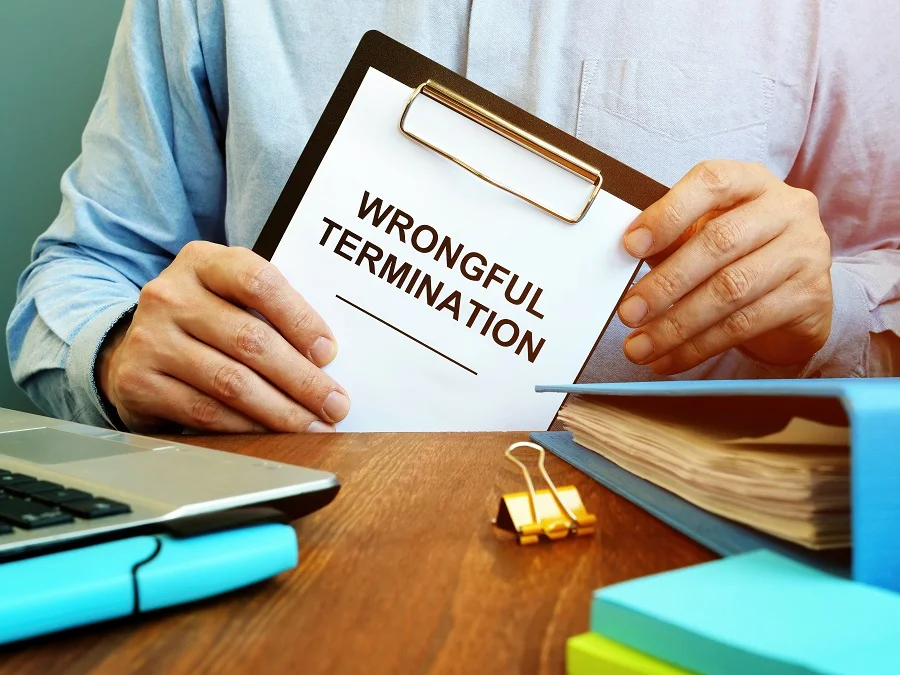
Document the decision and consult an attorney promptly. False accusations of sexual harassment that lead to termination may be grounds for wrongful termination claims. Understanding the basics of wrongful termination compensation in Ohio can be a useful starting point for evaluating your next steps.
Another advantage of seeking outside assistance during this challenging time is emotional support. Stress can affect judgment and work performance, and connecting with a counselor, legal professional, or a trusted mentor outside the workplace can help you maintain the calm, deliberate approach the situation requires.

An Accusation Isn’t a Verdict
You have the right to defend yourself against unfounded allegations. Talk to a qualified Ohio employment attorney today to understand exactly where you stand.
Your Response Now Shapes What Happens Next
Being wrongfully accused of sexual harassment at work is a serious situation, and your response must demonstrate equal seriousness. The employees who handle these situations most effectively are the ones who preserve evidence early, follow procedures carefully, and seek qualified legal guidance before making statements they can’t take back.
Coffman Employment Lawyers has been representing Ohio employees in complex workplace disputes since 2012. If you’re facing a false accusation of sexual harassment at your job and don’t know what to do, contact us to get help taking your next steps.